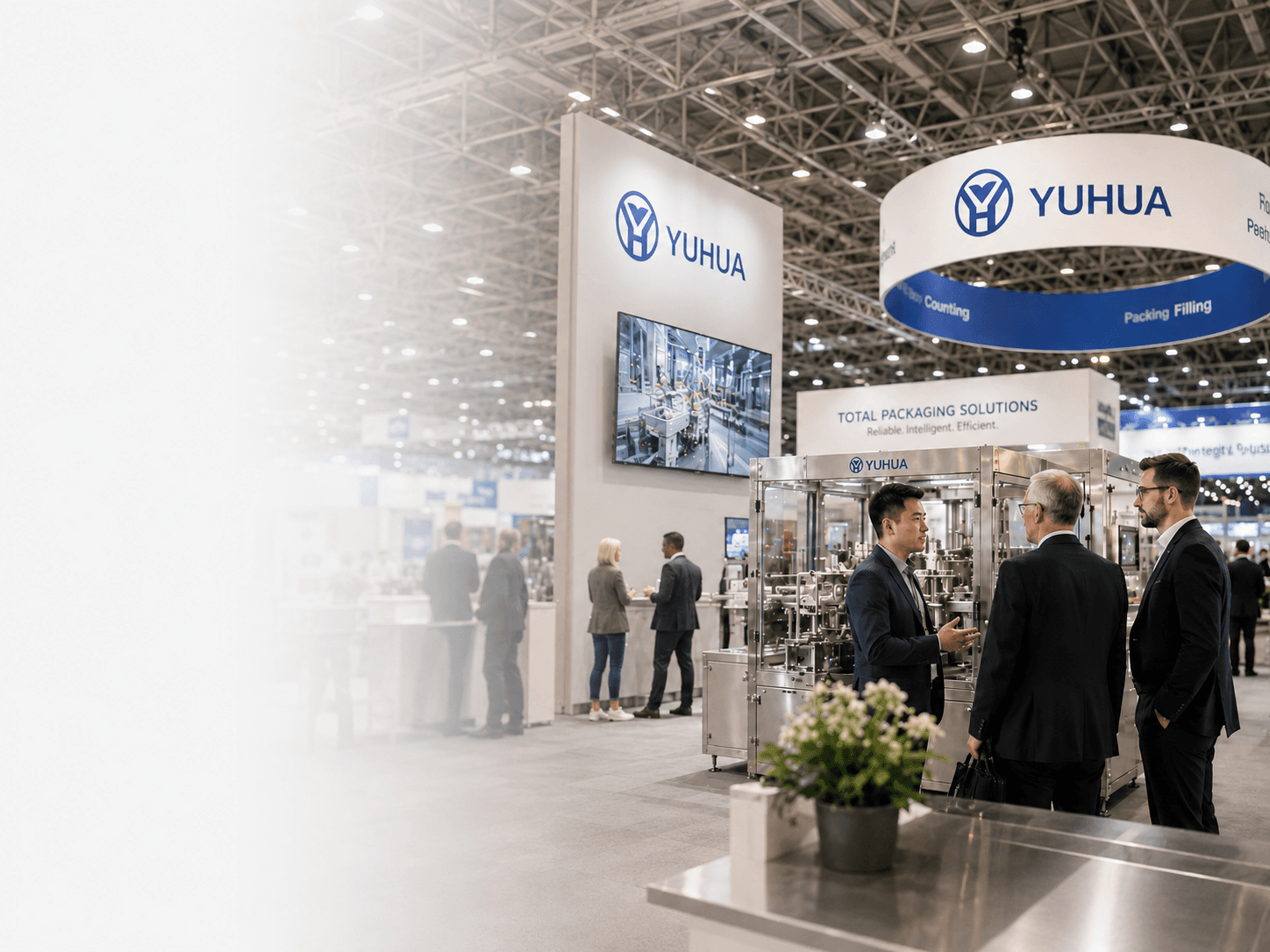

A detailed look at how YUHUA assembles a semi-automatic powder filling system, from screw conveyor installation and inlet hopper fitting to sanitary sealing and final inspection.
A semi-automatic powder filling system combines a screw conveyor for material transport with an auger metering unit for precise dosing. This configuration is often specified for free-flowing and semi-free-flowing powders that require consistent fill weight accuracy without the throughput demands of a fully automatic line.
Before any electrical testing or commissioning takes place, careful mechanical assembly lays the foundation for reliable performance. Each component — from the conveyor to the hopper — must be correctly positioned, aligned, and sealed to ensure stable powder flow through the system.
Installing the Screw Conveyor
The screw conveyor is responsible for lifting powder from floor level or a feed station up to the inlet of the dosing system. During installation, the conveyor is positioned at a controlled angle that balances material throughput with gentle handling of the powder.
The mounting frame is levelled and secured to prevent vibration during operation. A stable conveyor position helps maintain a consistent material feed rate and reduces the risk of bridging or clogging before the powder reaches the hopper.

Aligning for Reliable Material Flow
Once the conveyor is mounted, alignment checks are carried out to confirm that the screw shaft and drive motor are properly coupled. Misalignment can create unnecessary mechanical stress on bearings and seals, leading to premature wear or uneven powder conveying.
Operators adjust the conveyor position incrementally and inspect the clearance between the screw flight and the trough. Ensuring that the screw runs true within its housing allows powder to move smoothly and consistently toward the next section of the system.

Installing the Inlet Hopper
The inlet hopper serves as the interface between the screw conveyor and the auger filling section. It is mounted above the dosing unit to receive powder from the conveyor and direct it into the auger feed chamber.
During installation, the hopper is positioned to create a smooth transition from the conveyor outlet. The assembly is constructed from stainless steel with sanitary-grade surface finishing, ensuring that powder contacts only clean, corrosion-resistant surfaces throughout the feeding path.

Completing the Inlet Assembly
With the hopper in position, the remaining inlet components are assembled around it. This includes the connecting flange, any required gaskets, and the mounting hardware that secures the assembly to the machine frame.
Each component is checked for correct positioning before fasteners are tightened. A methodical approach at this stage helps avoid alignment issues that could affect powder flow or make future disassembly for cleaning and maintenance more difficult.

Securing a Sanitary Connection
All connections along the powder path — between the conveyor, hopper and dosing unit — are sealed with sanitary gaskets and secured using tri-clamp style fasteners. These connections serve two purposes: preventing powder leakage during operation and allowing quick disassembly for cleaning between product batches.
Sanitary clamp connections also help maintain hygiene standards for food-grade and pharmaceutical applications. Proper gasket seating and even clamp tightening create a reliable seal without excessive force that could deform the stainless steel flanges.

Conclusion
Every semi-automatic powder filling system at YUHUA is mechanically assembled, inspected and prepared before advancing to electrical integration, control system testing and final commissioning. The steps described here — conveyor positioning, alignment verification, hopper installation and sanitary sealing — are common to each system built.
By completing each stage of assembly with attention to detail, YUHUA supports reliable powder conveying, accurate dosing, and a machine that can be maintained with confidence over years of daily production use.
Need Packaging
Advice?
Talk with our engineers about your product, packaging format, and production targets. We will help you find the right solution.